Strategic Convening
Why Strategic Convening Matters in an Age of Fragmented Influence
Influence is no longer concentrated in a single institution or channel. The organisations that make progress are often those capable of creating the right conversation across the boundaries that now divide authority.
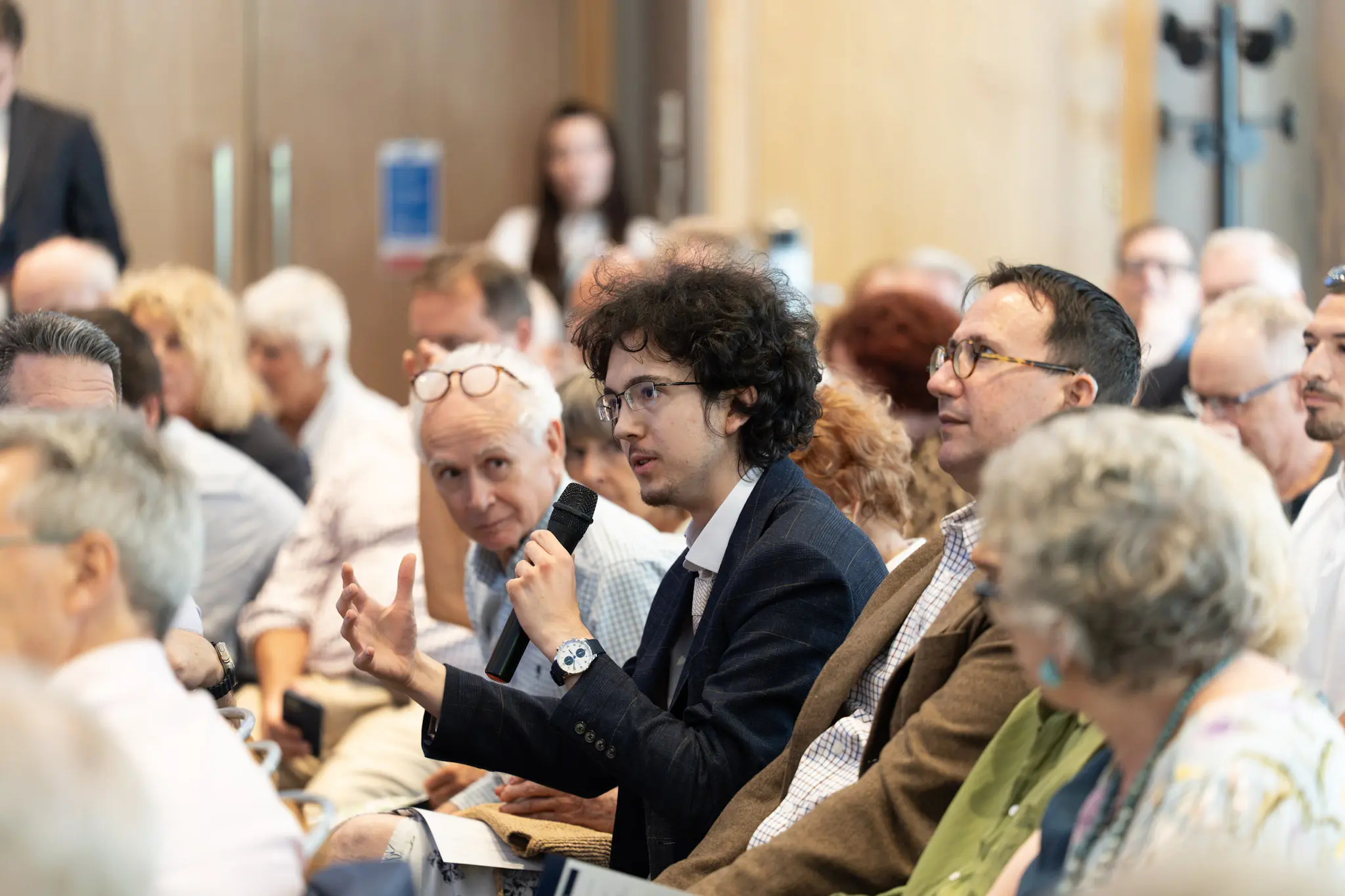
Influence has become distributed
The traditional map of influence was relatively easy to describe. Government made policy, Parliament scrutinised it, industry responded and the media interpreted the result. That sequence was never as tidy as it appeared, but it gave organisations a recognisable route through which to make their case.
Today, authority is distributed across a much wider field. Ministers, officials, regulators, local leaders, investors, campaigners, technical experts, trade bodies, journalists and online communities can all affect whether an idea advances or stalls. Each group sees only part of the picture and operates according to a different timetable.
This fragmentation creates noise, but it also creates an opportunity. An organisation that can bring the relevant perspectives into a serious, well-designed conversation can become more than another participant in the debate. It can become the convenor around which the debate begins to organise itself.
Convening is not simply event management
A strategic event is not defined by the room, the catering or the number of invitations issued. It begins with a commercial or policy objective.
What needs to change after the conversation? Which relationship needs to be established? What misunderstanding needs to be corrected? Which people need to hear directly from one another before a decision can move?
Those questions determine the format. A private roundtable may be right when candour matters more than publicity. A conference may be right when an issue needs a visible platform and a body of content that can travel beyond the day. A sponsor-backed forum may be right when commercial partners can make a genuine contribution to a developing policy conversation.
The objective comes first. The event is the mechanism.
The composition of the room is part of the strategy
Attendance is not a numbers exercise. A room can be full and still achieve very little. The value comes from the combination of people present, the reason they have accepted and the permission the format gives them to speak honestly.
That requires judgement. Senior decision-makers need to see that their time will be well used. Experts need confidence that the conversation will engage with substance. Commercial participants need a purpose beyond attaching their name to a programme. The chair must understand where the real disagreement sits and bring it into the room without allowing the discussion to become performative.
When those elements are designed properly, the conversation becomes difficult to reproduce through a sequence of emails or isolated meetings.
The value should continue after the event
The room is only the first asset. A well-run conference or forum can also produce speeches, interviews, articles, professional video, stakeholder follow-up and a continuing programme of communication.
This matters because influence develops through repetition. A strong contribution heard by two hundred delegates can reach a much larger audience when it is edited, distributed and placed in the right context. A private introduction can become a working relationship when the follow-up is handled quickly and with a clear purpose.
The best convening programmes therefore plan distribution and follow-up from the beginning. Content is not an afterthought, and attendees are not treated as a list to be contacted once the room has emptied.
Convening creates a different kind of authority
Organisations often approach public affairs by requesting meetings with people who hold influence. Strategic convening changes the posture. Instead of asking to enter somebody else's conversation, the organisation creates a useful conversation that others want to join.
That distinction matters. It demonstrates seriousness, creates goodwill and allows an organisation to contribute to the wider understanding of an issue. It can also reveal where apparent disagreement is really a lack of shared information or where a commercial objective can support a public-policy outcome.
In an age of fragmented influence, progress increasingly depends on the ability to connect institutions, expertise and commercial reality. The organisation capable of building that connection is often the organisation best placed to shape what happens next.
Alderbourne designs conferences, private roundtables and sponsor-backed programmes around the outcome the client needs, then extends their value through communications, content and structured follow-up.